
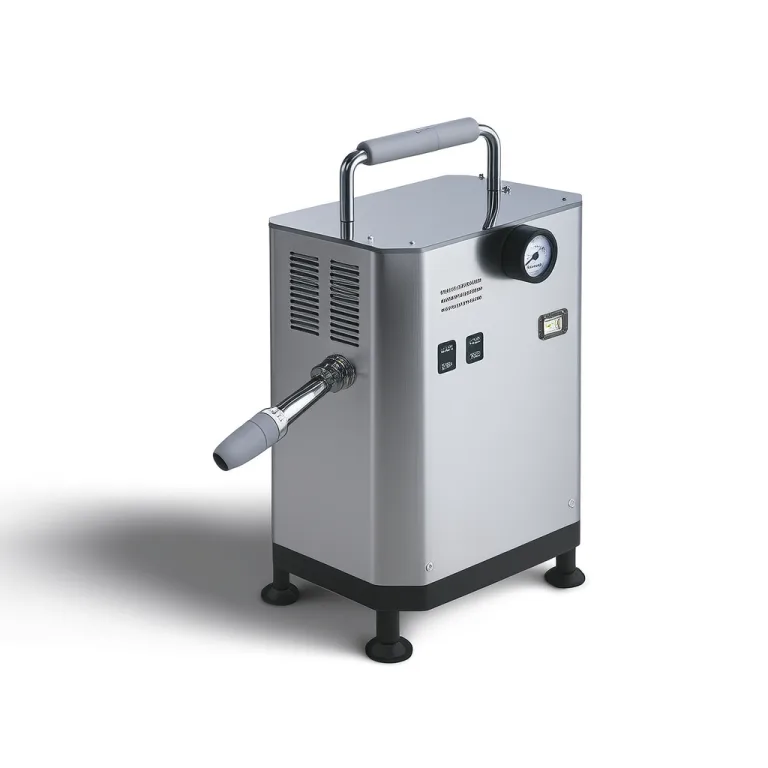
Medical Vacuum Pump System
Medical Vacuum Pump System for industrial applications.
About Medical Vacuum Pump System
Medical Vacuum Pump System for industrial applications.
| Domain | biomedical |
|---|---|
| Product Family | Pumps |
Who Works With Medical Vacuum Pump System?
4 engineering roles are connected to Medical Vacuum Pump System based on verified research evidence.
Electrical Engineer
Biomedical Equipment Technician
The term 'Medical Air Compressor Technician' is a product-specific variant of the widely recognized professional role 'Biomedical Equipment Technician', which is formally defined in healthcare technology management (HTM) standards (e.g., AAMI, CBET certification pathways). The evidence explicitly states Bioservice seeks a 'Biomedical Equipment Technician' with experience in medical air compressor packages — confirming this is a specialization within that canonical role. While 'Medical Air Compressor Technician' is used operationally, it is not a standalone, nationally accredited title; rather, it reflects domain-specific application of biomedical equipment technician competencies focused on medical gas systems (ISO 7396-1, NFPA 99).
Clinical Engineer
Clinical Engineer is a well-established, ABET-accredited and AAMI-recognized professional role in biomedical engineering, specifically responsible for the lifecycle management of medical equipment—including central systems like medical vacuum pumps. The evidence confirms responsibilities aligned with specification, commissioning, inspection, maintenance, troubleshooting, and management of such systems in clinical/industrial healthcare settings.
Mechanical Maintenance Technician
Industrial Machinery Mechanic is a recognized occupational title (BLS SOC 49-9012) with core responsibilities directly applicable to maintaining and troubleshooting automated production systems—including Flexible Manufacturing Cells. While 'Industrial Machinery' denotes context, the role itself is standardized and generalizable; 'Mechanical Maintenance Technician' is the more precise canonical term reflecting its function in automation environments. The evidence confirms alignment with FMC support tasks: diagnosing faults, calibrating sensors, reading schematics, and maintaining automated systems.